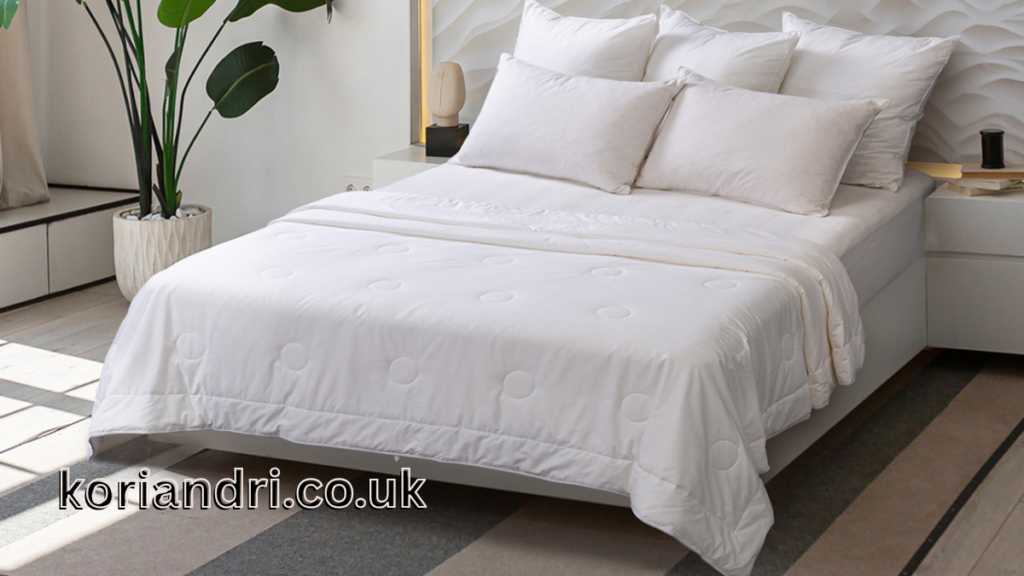

A silk blanket is more than just a bedding accessory. It is a symbol of comfort, refinement, and thoughtful living. In a world where sleep quality directly impacts productivity and health, choosing the right blanket matters more than ever. While cotton and wool dominate many households, silk blankets are quietly becoming the preferred option for those who value softness, temperature control, and skin-friendly materials.
People often associate silk with luxury fashion, but its benefits extend far beyond clothing. When used in bedding, silk offers a unique combination of breathability and insulation that few materials can match. This guide explores everything you need to know about a silk blanket, from its origins and benefits to buying tips and maintenance advice, helping you make a smart and satisfying investment.
What Is a Silk Blanket?
A silk blanket is crafted either entirely from natural silk fibers or filled with silk and encased in a protective fabric. The silk used is typically derived from silkworm cocoons, with Mulberry silk being the most prized due to its smooth texture and consistent fiber length. Unlike synthetic materials, silk is a natural protein fiber, which gives it remarkable softness and strength at the same time.
The production process involves harvesting silk filaments, weaving them into fabric, or layering them as filling. Pure feel incredibly smooth and lightweight, while silk-filled comforters provide a plush yet breathable feel. Some options also blend silk with cotton or other fibers to reduce cost while retaining part of silk’s natural advantages. Understanding these variations helps buyers choose the right silk blanket for their comfort preferences and budget.
History and Origins of Silk in Bedding
Silk production dates back thousands of years to ancient China, where it was once reserved exclusively for royalty and the elite. The Silk Road helped spread this prized material across continents, making it a valuable commodity in trade and culture. Over time, silk evolved from a symbol of status to a widely appreciated luxury material.
When it comes to bedding, silk was historically used in palaces and noble households because of its softness and insulating properties. Modern technology has made silk blankets more accessible, yet they still retain an air of sophistication. Today, homeowners around the world choose silk not just for prestige but for practical comfort and health benefits.
Key Benefits of a Silk Blanket
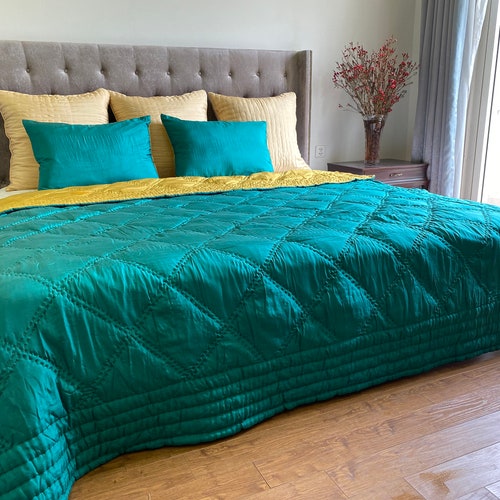
One of the most significant advantages of a silk blanket is its natural temperature regulation. Silk adapts to your body’s needs, keeping you cool during warm nights and comfortably warm when temperatures drop. This makes it an ideal choice for year-round use. Unlike heavy blankets that trap excessive heat, silk allows air circulation while maintaining gentle insulation.
Another key benefit is its hypoallergenic nature. Silk naturally resists dust mites, mold, and mildew, making it suitable for allergy sufferers. It is also gentle on skin and hair, reducing friction that can cause dryness or breakage. Lightweight yet durable, a high-quality can last for years with proper care. Its combination of elegance, functionality, and health benefits makes it a standout option in premium bedding.
Different Types of Silk Blankets
Silk blankets come in several variations to meet different needs. Pure silk blankets are made entirely from silk fabric, offering unmatched softness and a smooth, luxurious finish. These are often chosen for decorative layering or lightweight warmth during mild seasons. They drape beautifully over beds and add a refined touch to bedroom decor.
Silk-filled comforters, on the other hand, feature silk as the inner filling with a cotton or silk outer shell. These provide enhanced warmth while remaining breathable. There are also silk throw blankets designed for sofas or travel use, as well as quilted that combine structure with softness. For budget-conscious buyers, silk blends offer partial silk benefits at a lower price point. Each type serves a specific purpose, allowing consumers to select the most suitable option.
How to Choose the Right Silk Blanket
Selecting the right involves understanding several factors. One of the most important is momme weight, a measurement that indicates the density of silk fabric. Higher momme weights generally mean thicker and more durable silk. For blankets, a balanced momme weight ensures comfort without unnecessary heaviness.
Size and design also matter. From twin to king sizes, the blanket should match your bed dimensions while complementing your room’s style. Consider weave type and color choices to create a cohesive look. Budget is another key factor, as genuine silk can vary significantly in price. Investing in high-quality silk may cost more upfront but often provides better longevity and comfort over time.
Silk Blanket vs Other Blanket Materials
When comparing a silk blanket to cotton, the differences become clear. Cotton is breathable and affordable, but it lacks silk’s smooth texture and temperature adaptability. Silk offers a more refined feel and better moisture control, making it ideal for sensitive skin and hot sleepers.
Against wool, silk stands out for its lightweight nature. Wool can provide strong insulation but may feel heavy or itchy for some individuals. Polyester, while inexpensive, does not offer the same breathability or natural properties as silk. In terms of comfort, skin benefits, and long-term value often justify their higher price tag by delivering a superior sleeping experience.
Caring for and Maintaining a Silk Blanket
Proper care is essential to preserve the beauty and durability of a silk blanket. Many silk blankets require gentle hand washing or professional dry cleaning. Using mild detergent and cold water helps maintain the integrity of the fibers. Avoid harsh chemicals or high heat, as these can weaken silk strands.
Storage is equally important. Keep your silk blanket in a cool, dry place away from direct sunlight. Breathable fabric bags are preferable to plastic covers, which can trap moisture. In case of stains, address them promptly with gentle spot cleaning. With careful maintenance, a silk blanket can remain soft, elegant, and functional for many years.
Who Should Buy a Silk Blanket?
A silk blanket is particularly beneficial for individuals with allergies or sensitive skin. Its natural resistance to dust mites and irritants makes it a healthier bedding option. Hot sleepers who struggle with overheating at night also find silk appealing due to its breathability.
Luxury enthusiasts appreciate the refined aesthetic silk adds to a bedroom. It also makes a thoughtful and elegant gift for weddings or special occasions. Anyone seeking improved sleep comfort combined with long-lasting quality can benefit from choosing a silk blanket.
Environmental and Ethical Considerations
Silk is a natural fiber, which gives it an advantage over synthetic materials in terms of biodegradability. However, ethical sourcing practices vary. Some manufacturers focus on sustainable silk farming and responsible production methods.
Consumers interested in eco-friendly options should research brands that prioritize transparency and sustainability. While traditional silk production involves silkworm cultivation, advancements in ethical practices continue to shape the industry. Making informed choices supports responsible manufacturing and environmental awareness.
Conclusion
A silk blanket represents a blend of luxury, practicality, and wellness. From its rich historical roots to its modern-day appeal, silk remains a standout material in bedding. Its ability to regulate temperature, resist allergens, and provide unmatched softness makes it an excellent investment for quality sleep.
Choosing the right silk blanket requires attention to fabric weight, type, and care instructions. With proper maintenance, it can serve as a long-term addition to your home. If comfort, style, and durability matter to you, a silk blanket may be the perfect upgrade for your bedroom.
FAQs
What makes a silk blanket unique?
Its natural temperature regulation, softness, and hypoallergenic properties set it apart from other materials.
Can a silk blanket be used year-round?
Yes, silk adapts to different temperatures, making it suitable for all seasons.
Is a silk blanket difficult to maintain?
It requires gentle care, but proper washing and storage keep it in excellent condition.
Are silk blankets worth the price?
High-quality silk blankets offer durability, comfort, and health benefits that justify the investment.
How long does a silk blanket last?
With proper care, a premium silk blanket can last for many years without losing its softness or strength.
Also Read: matsuda glasses