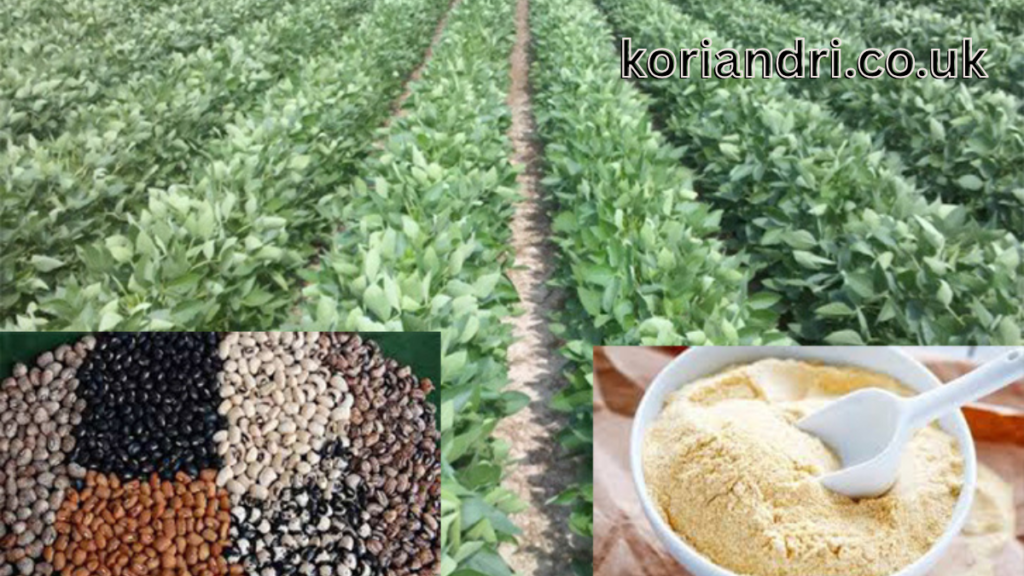

In today’s world, people are constantly Insoya searching for something simple that can support their health without turning life into a complicated science project. That’s where comes into the picture. Whether you’ve heard about it from gym friends, a doctor, a nutritionist, or even a family member who swears it helped them with weakness, Insoya has become a popular name in the nutrition space.
At its core, Insoya is commonly known as a soy-based nutritional supplement that is used for improving protein intake, supporting weight management, and helping the body recover from weakness. Some people use it like a daily health drink, while others treat it as a fitness supplement. And honestly, that’s what makes it interesting. It sits in a space between “food” and “supplement,” and many people don’t know exactly how to use it properly.
This guide is written to clear all confusion. We’ll cover everything from what is, what’s inside it, its nutritional value, benefits for different age groups, possible side effects, and how to use it safely. If you’re thinking about adding Insoya to your routine, this article will help you make a smart decision instead of guessing.
What is Insoya?
Insoya is generally a nutrition drink mix or powder made primarily from soy protein, often blended with additional vitamins, minerals, and sometimes carbohydrates. The main purpose of is to provide a convenient protein source for people who struggle to meet their daily protein needs through regular meals. This includes gym users, people recovering from illness, elderly individuals, and those dealing with general weakness.
Soy protein is considered a complete plant protein because it contains all essential amino acids. That’s a big reason why soy-based nutrition products like Insoya have gained popularity. Unlike many plant proteins that may lack one or two key amino acids, soy protein stands stronger in nutritional quality. That makes a useful option for people who prefer plant-based nutrition or want an alternative to dairy-based protein powders.
Insoya is often marketed as a supportive supplement for energy, growth, and strength. Some versions are made for adults, while others are positioned for kids, women, or patients needing extra nourishment. Because different brands may have different formulas, it’s important to remember that can refer to a product category, not always one exact identical ingredient list.
Insoya Ingredients Explained
The ingredient list of Insoya usually revolves around soy protein, but many formulas include more than just protein. Some versions contain soy flour, soy protein isolate, or soy concentrate. These are different forms of soy protein, and each one affects digestibility and protein percentage. For example, soy protein isolate typically has a higher protein concentration and fewer carbs compared to soy flour.
Many products also include added vitamins and minerals like calcium, iron, vitamin D, vitamin B12, and zinc. These nutrients are commonly added because people who need nutritional supplements often have deficiencies or higher requirements. This is especially true for women, older adults, and individuals recovering from illness.
Some products contain flavoring agents such as vanilla, chocolate, or banana. Sweeteners may also be included, either sugar-based or artificial. This is where people need to be careful, especially diabetics or those trying to lose weight. A protein supplement can quickly become a sugar-loaded drink if the formula is not clean.
Other ingredients may include stabilizers, emulsifiers, or thickeners to improve texture. These aren’t always harmful, but they can affect digestion in sensitive people. So if someone experiences bloating after using Insoya, it’s not always the soy itself. Sometimes it’s the added ingredients that trigger discomfort.
Insoya Nutrition Facts
The nutritional profile of Insoya depends heavily on the brand, but in most cases, it provides a decent balance of protein, calories, and micronutrients. A typical serving may contain anywhere between 10 to 25 grams of protein, depending on the product type. This makes it helpful for people who need a quick protein boost without preparing a full meal.
Calories can vary widely. Some formulas are designed for weight gain and contain higher calories with added carbohydrates. Others are more fitness-focused and offer higher protein with lower sugar. This is why label reading matters. If your goal is weight loss, you want an Insoya product that is protein-rich and low in added sugar.
Carbohydrates are another key point. Some products contain complex carbs that support energy, while others contain simple sugars to improve taste. For gym users, carbs can be helpful after workouts. But for people with diabetes or those trying to control weight, high sugar is not ideal.
Fat content in Insoya is usually low to moderate. Soy naturally contains healthy fats, but many processed formulas reduce fat levels to improve shelf life. In terms of micronutrients, Insoya can provide a helpful boost, especially in calcium and vitamin D, which support bone health.
Health Benefits of Insoya

One of the biggest benefits of is its ability to support daily protein intake in an easy way. Protein is the building block of the body, and without enough of it, people often feel tired, weak, and slow. Insoya helps fill that gap, especially for individuals who don’t eat enough meat, eggs, or dairy.
Another benefit is recovery. Many people use when they are recovering from illness, surgery, or long periods of weakness. In such cases, the body needs extra nutrients to rebuild muscle tissue and regain strength. Insoya can work like a nutritional “support system,” especially when appetite is low.
Insoya may also support overall wellness. When a formula includes vitamins and minerals, it can improve energy levels, immune function, and general nutrition. Think of it like giving your body a small daily toolkit. Instead of forcing the body to work with missing tools, you’re supplying what it needs to function properly.
For people with busy lifestyles, is also convenient. It takes less than a minute to mix, and it can be taken at home, at work, or after the gym. In a world where people skip meals more than they admit, that convenience can actually make a big difference.
Insoya for Weight Loss
Insoya can be a helpful tool for weight loss, but it depends on how you use it. Many people assume that drinking a protein supplement automatically burns fat. That’s not how it works. The real reason protein supports weight loss is because it helps you feel full and reduces cravings.
When you take as a mid-morning snack or evening drink, it can reduce your urge to eat junk food. Protein slows digestion, stabilizes hunger hormones, and helps prevent sudden sugar cravings. That’s why many weight-loss plans include higher protein intake.
However, the wrong Insoya product can backfire. If the formula contains high sugar and extra calories, it may contribute to weight gain instead. This is why people should always choose a low-sugar, high-protein version if their goal is fat loss.
The best way to use Insoya for weight loss is to treat it as a smart replacement, not an extra addition. For example, replacing a sugary snack with can support calorie control. But adding it on top of a heavy meal may simply increase your total daily calories.
Insoya for Muscle Gain and Gym Users
For gym users, Insoya can be a practical protein source, especially for those who don’t want whey or cannot digest dairy well. Muscle building requires consistent protein intake throughout the day, not just after workouts. Insoya can help maintain that steady supply of amino acids.
Soy protein has a good amino acid profile, and it supports muscle recovery after training. While whey is often considered the fastest-digesting protein, soy still provides strong muscle support, especially for beginners and intermediate gym users. The key is consistency, not perfection.
Insoya can also help post-workout recovery by reducing muscle soreness and improving repair. After lifting weights, muscles experience micro-tears. Protein helps repair those tears and rebuild stronger tissue. If your diet is lacking protein, recovery becomes slower, and progress feels stuck.
A smart routine for gym users is taking Insoya either post-workout or as a protein snack between meals. The biggest mistake is using it while ignoring real food. Insoya works best when it supports a balanced diet, not when it replaces everything.
Insoya for Women
Women often have unique nutritional needs, especially when it comes to iron, calcium, and protein. Insoya can be beneficial for women who experience fatigue, weakness, or low appetite. It can also support women who are working on fitness goals like toning, strength building, or healthy weight management.
One common concern is soy and hormones. Soy contains compounds called isoflavones, which can behave like weak estrogen in the body. But in normal dietary amounts, soy is generally considered safe for most women. The key is moderation and choosing a quality product.
Insoya can also support women during periods when they feel low energy. Many women experience weakness due to iron loss, and some Insoya formulas include iron and B vitamins, which can support energy. However, it’s still important to confirm nutritional needs with a doctor if weakness is severe.
Pregnancy and breastfeeding require special care. Some women may use Insoya as a protein support, but it’s always safer to consult a healthcare provider. During these stages, the body becomes more sensitive to nutrient balance, and not all supplements are recommended.
Insoya for Men
For men, Insoya is commonly used for muscle building, strength, and overall energy. Many men choose it because it is plant-based and can be easier on digestion compared to heavy dairy products. It can also help men who are not eating enough protein due to busy schedules.
A common myth is that soy lowers testosterone. The truth is more balanced. Normal soy intake does not automatically reduce testosterone in healthy men. The fear often comes from misinformation and exaggerated claims. Like anything, excessive intake may not be ideal, but moderate consumption is generally safe.
Men who want muscle gain can benefit from Insoya when it’s paired with resistance training and proper meals. The supplement itself does not create muscle. It simply provides the raw material your body needs to grow.
Insoya can also support men who feel weak due to poor diet or long working hours. It’s not magic, but it can provide a nutritional foundation, especially when combined with good sleep and hydration.
Insoya Side Effects
Even though Insoya is widely used, it can cause side effects in some people. The most common issue is digestive discomfort. Some people experience gas, bloating, or mild stomach cramps. This is usually because soy can be harder to digest for sensitive stomachs, especially when taken in large amounts.
Soy allergies are another concern. If someone is allergic to soy, they should avoid Insoya completely. Symptoms may include itching, swelling, rashes, or breathing difficulty. In such cases, medical attention is important.
Overuse can also cause problems. Many people assume “more protein equals more strength.” But too much protein can put stress on digestion and kidneys, especially in people who already have kidney issues. This is why portion control matters.
Some people may also react to additives like artificial sweeteners or preservatives. If you notice discomfort, it’s smart to try a cleaner formula or reduce the serving size. In most cases, side effects can be avoided by starting slow and drinking plenty of water.
How to Use Insoya Correctly
Using Insoya correctly is simple, but doing it smartly makes a big difference. Most people mix it with milk or water. Milk adds calories and protein, while water keeps it lighter. If your goal is weight loss, water is usually the better option. If your goal is weight gain, milk may work better.
Timing depends on your goal. For gym users, post-workout is a common time. For general weakness, morning or evening can be useful. Some people also take it between meals as a snack to prevent hunger.
Dosage should always match your needs. A common approach is one serving per day. Some athletes take two servings, but only when their diet requires it. Taking too much without exercise or without calorie control can lead to weight gain.
One great tip is to blend Insoya with bananas, oats, or peanut butter for a healthy smoothie. This can turn it into a full mini-meal. But again, be careful with calories. The best results come from using Insoya as part of a balanced routine, not as a shortcut.
Conclusion
Insoya is a powerful and convenient nutritional supplement that can support protein intake, strength, recovery, and overall wellness. Whether you are trying to gain muscle, lose weight, fight weakness, or simply improve your diet, Insoya can be a helpful tool when used correctly. The key is choosing a quality product, using it in the right amount, and aligning it with your health goals.
Like a good assistant in a busy life, Insoya works best when it supports your routine rather than replacing real food. If you have a medical condition like diabetes, thyroid issues, or kidney problems, it’s always safer to consult a doctor before making it a daily habit. When used wisely, Insoya can be a simple step toward better nutrition and better energy.
FAQs
What is Insoya used for?
Insoya is used to support protein intake, improve strength, reduce weakness, and help with muscle recovery or daily nutrition.
Is Insoya good for weight loss?
Yes, if it is low in sugar and used as a replacement for unhealthy snacks. High-calorie versions may cause weight gain.
Can I take Insoya daily?
Most people can take it daily in moderation, but those with medical conditions should consult a healthcare professional.
Does Insoya help in muscle gain?
Yes, it can support muscle building when combined with strength training and a balanced diet.
What are the side effects of Insoya?
Possible side effects include bloating, gas, allergies, or digestive discomfort, especially in sensitive individuals.
Also Read: uvlack