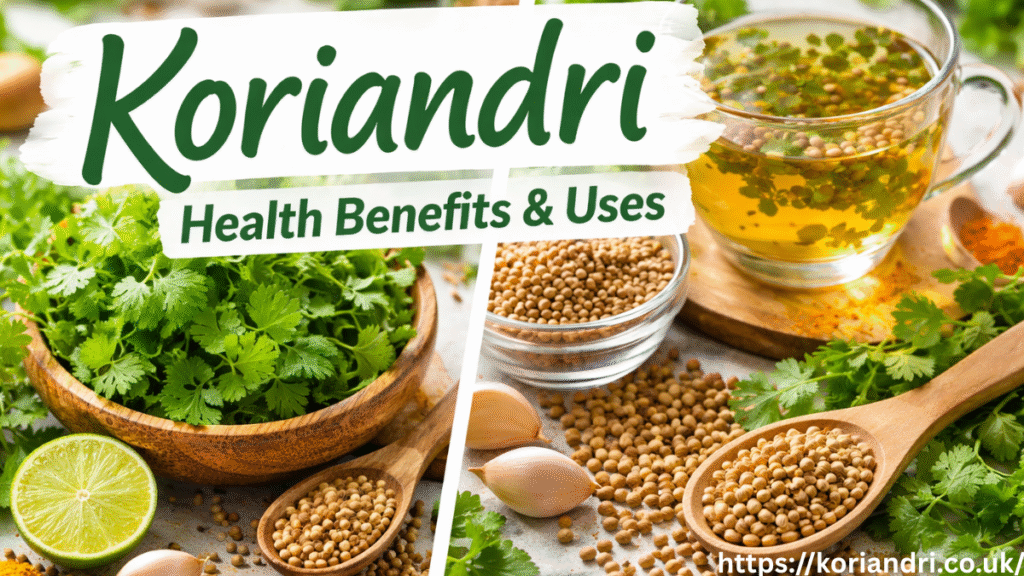

Koriandri, more commonly known as coriander, is one of the world’s oldest and most versatile herbs, treasured for both its culinary charm and remarkable health benefits. From fragrant kitchen recipes to time-tested herbal remedies, koriandri has earned a place in traditions that span continents and centuries. Today, as people turn toward natural wellness and plant-based nutrition, koriandri is being rediscovered as a powerful super herb that supports digestion, heart health, immunity, and overall vitality. Its unique combination of flavor, fragrance, and functional nutrition makes it far more than just a garnish on your plate.
In the modern wellness landscape, koriandri stands at the intersection of food and medicine. Nutritionists praise its rich antioxidant profile, herbalists value its detoxifying potential, and chefs love its bright, citrusy aroma that enhances dishes from soups to salads. Whether used as fresh leaves, dried seeds, or infused into teas and oils, koriandri offers benefits that go beyond taste. This article explores everything you need to know about koriandri — its origins, nutritional value, health advantages, culinary uses, home remedies, precautions, and even how to grow it yourself.
What Is Koriandri? Understanding the Herb
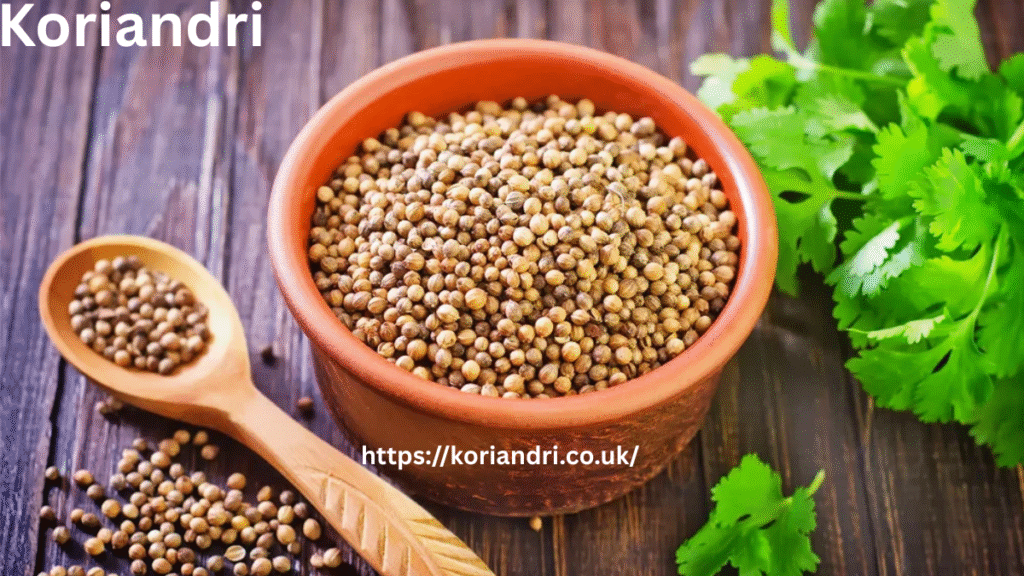
Koriandri comes from the plant Coriandrum sativum, a member of the parsley family. Every part of the plant is useful, from its tender green leaves to its aromatic seeds and even its roots. The leaves are often called cilantro in many regions, while the seeds are known as coriander seeds. Despite coming from the same plant, they have completely different flavors. The leaves are fresh, slightly citrusy, and bright, while the seeds offer a warm, nutty, and mildly sweet spice. This dual personality makes koriandri unique among culinary herbs.
Historically, koriandri has deep roots in traditional medicine and cuisine. Ancient texts from Ayurveda and Traditional Chinese Medicine describe its use for digestive support and detoxification. Archaeologists have even found coriander seeds in ancient Egyptian tombs, suggesting its value in early civilizations. Today, koriandri is cultivated across Asia, Europe, Africa, and the Americas. Its adaptability to different climates and soils makes it a global herb, appreciated not just for flavor but for its nutritional richness, including vitamins A, C, and K, along with minerals like potassium, calcium, and magnesium.
Health Benefits of Koriandri
One of the most celebrated health benefits of koriandri is its positive effect on digestion. For centuries, coriander seeds have been brewed into teas to relieve bloating, gas, and indigestion. The herb contains natural compounds that stimulate digestive enzymes, helping the body break down food more efficiently. Its mild carminative properties reduce discomfort in the stomach and intestines, making koriandri a gentle, natural solution for common digestive troubles. This is why it often appears in traditional spice blends designed to make heavy meals easier to digest.
Koriandri is also linked to heart health and blood sugar balance. Studies suggest that compounds in coriander seeds may help lower LDL (bad) cholesterol while supporting healthy HDL (good) cholesterol levels. Its antioxidant and anti-inflammatory properties further protect blood vessels from damage. Additionally, koriandri may support blood sugar regulation by enhancing insulin activity, which is particularly beneficial for people managing diabetes or metabolic concerns. These combined effects make koriandri a heart-friendly herb that supports long-term wellness.
Koriandri for Detox and Weight Management
Koriandri is widely known for its natural detoxifying properties. Traditional wellness systems have long used coriander to help the body eliminate toxins, including heavy metals. Its compounds may bind to certain unwanted substances and assist the body in flushing them out through natural detox pathways. This supportive action, combined with its antioxidant power, helps protect the liver — the body’s main detox organ — from oxidative stress. Drinking koriandri-infused water or tea is a popular home remedy for gentle cleansing.
When it comes to weight management, koriandri plays a supportive rather than dramatic role. By improving digestion and reducing bloating, it helps the body feel lighter and more comfortable. Its mild diuretic effect may also help reduce water retention. Furthermore, koriandri enhances the flavor of healthy dishes without adding extra calories, making nutritious meals more enjoyable. While not a magic weight-loss solution, incorporating koriandri into a balanced diet can support overall metabolic wellness.
Culinary Uses of Koriandri
Koriandri is a culinary star in kitchens around the world. Fresh coriander leaves add brightness to salads, soups, curries, and salsas. Their refreshing flavor balances spicy and rich dishes, making them a staple in Mexican, Indian, Thai, and Middle Eastern cuisine. Meanwhile, coriander seeds are often toasted to release their warm aroma before being ground into spice blends such as garam masala and curry powder.
Storing koriandri properly ensures maximum flavor. Fresh leaves should be kept in the refrigerator wrapped in a damp paper towel, while seeds should be stored in airtight containers away from heat and light. Roasting seeds before grinding enhances their fragrance and depth, transforming everyday meals into aromatic delights. This versatility makes koriandri an essential ingredient for both home cooks and professional chefs.
How to Use Koriandri for Health at Home
Koriandri tea is one of the easiest and most effective home remedies. Simply steep crushed coriander seeds in hot water for 10–15 minutes to create a soothing infusion that supports digestion and detox. Drinking this tea after meals can reduce bloating and promote comfort. Many people also soak seeds overnight in water and drink the infused water in the morning as part of a wellness routine.
Beyond tea, koriandri is used in natural skincare and hair care remedies. Its antibacterial properties make it useful in face packs for clearer skin, while coriander oil is sometimes used in aromatherapy for its calming scent. However, essential oils should always be diluted and used with caution. These home applications highlight koriandri’s versatility beyond the kitchen.
Possible Side Effects and Precautions
Although koriandri is generally safe, some individuals may experience allergic reactions. Symptoms can include itching, swelling, or digestive discomfort. People with known herb allergies should introduce koriandri slowly and monitor their response. Consulting a healthcare provider is wise if unusual reactions occur.
Koriandri may also interact with medications for blood sugar or blood pressure due to its natural balancing effects. Pregnant or breastfeeding women should consume it in normal culinary amounts rather than medicinal doses unless advised otherwise. Moderation ensures that koriandri remains a safe and beneficial addition to the diet.
Growing Koriandri at Home
Growing koriandri at home is simple and rewarding. The plant thrives in well-drained soil with moderate sunlight. It grows quickly from seeds, making it ideal for small gardens or balcony pots. Regular watering without over-soaking the soil helps maintain healthy growth.
Leaves can be harvested within weeks, while seeds are collected once the plant flowers and dries. Homegrown koriandri offers fresher flavor and ensures a steady supply of this nutritious herb. Gardening enthusiasts appreciate how low-maintenance yet highly productive the plant can be.
Conclusion
Koriandri is truly a timeless herb that bridges ancient wisdom and modern nutrition. From supporting digestion and heart health to enhancing the flavor of everyday meals, its benefits are wide-ranging and practical. Whether you enjoy it fresh, dried, brewed, or grown at home, koriandri deserves recognition as a powerful natural ally for both wellness and culinary creativity.
FAQs About Koriandri
1. Is koriandri the same as coriander or cilantro?
Yes, koriandri refers to coriander; the leaves are often called cilantro.
2. What are the main health benefits of koriandri?
Digestive support, heart health, blood sugar balance, and antioxidant protection.
3. Can koriandri help with digestion problems?
Yes, especially in tea form made from coriander seeds.
4. How do you make koriandri tea?
Steep crushed seeds in hot water for 10–15 minutes.
5. Is it safe to consume koriandri daily?
Yes, in normal food amounts.
You May Also Read: https://koriandri.co.uk/