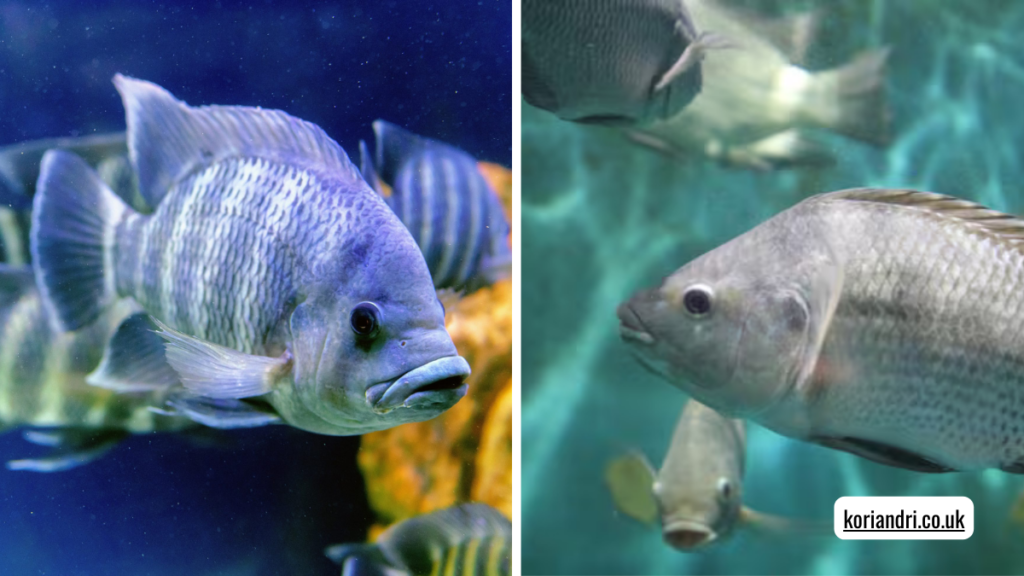

Tilapia is one of the most widely consumed freshwater fish in the world, praised for its mild flavor, versatility in cooking, and affordability. As global demand for healthy protein sources rises, tila pia has emerged as a key player in aquaculture and sustainable seafood production. Whether you are a home cook, a nutrition enthusiast, or a seafood industry professional, understanding tila pia—from its biology and farming practices to its culinary potential—is essential for making informed choices.
This article explores every aspect of tila pia, including its nutritional profile, farming techniques, environmental considerations, cooking methods, and market trends. By combining expert insights, practical guidance, and evidence-based information, this guide positions tila pia as a cornerstone of modern seafood consumption.
Nutritional Profile of Tilapia
Tilapia is celebrated for being a lean source of protein, making it a popular choice for health-conscious individuals. A standard 3.5-ounce serving contains approximately 23 grams of protein and minimal fat, including heart-healthy omega-3 fatty acids. It is also rich in essential nutrients such as vitamin B12, phosphorus, and selenium, which support metabolism, bone health, and immune function.
Beyond macronutrients, tilapia provides trace minerals that are often overlooked in everyday diets. Its low-calorie content combined with high protein density makes it suitable for weight management and fitness-focused meal planning. When compared to other fish species, tilapia offers an excellent balance of taste and nutrition, appealing to both consumers and dietitians.
Tilapia Farming and Aquaculture Practices
Tilapia is primarily farmed in freshwater ponds, tanks, and recirculating aquaculture systems. These methods allow for controlled growth conditions, optimized feed efficiency, and year-round production. Countries such as China, Indonesia, and Egypt dominate tila pia farming, reflecting the fish’s adaptability to different climates and farming techniques.
Sustainable tila pia farming emphasizes water quality management, disease prevention, and environmentally responsible feed practices. Technological advancements, such as biofloc systems and precision feeding, have enhanced yield while minimizing ecological impact. Understanding these practices is crucial for consumers seeking responsibly sourced seafood.
Environmental Impact of Tilapia Production
Tila pia farming has both positive and negative environmental implications. On the positive side, tila pia efficiently converts feed into protein, requiring less land and freshwater compared to terrestrial livestock. Its ability to thrive in controlled environments reduces pressure on wild fish populations and helps meet global seafood demand sustainably.
However, poorly managed tila pia farms can contribute to water pollution, habitat degradation, and invasive species concerns. It is important to distinguish between certified, responsibly farmed til apia and operations that lack environmental safeguards. Awareness of farming standards allows consumers to make environmentally conscious choices.
Culinary Uses and Cooking Methods
Tilapia’s mild flavor and firm texture make it an exceptionally versatile fish in the kitchen. It can be grilled, baked, pan-seared, poached, or used in stews and tacos. Its neutral taste pairs well with a wide variety of herbs, spices, and sauces, making it a staple in global cuisines ranging from Southeast Asian curries to Mediterranean lemon-butter dishes.
Cooking tila pia properly ensures both taste and safety. The fish should be cooked to an internal temperature of 145°F, ensuring it is opaque and flakes easily with a fork. Because it absorbs marinades and seasonings readily, tila pia is ideal for both quick weeknight meals and gourmet presentations.
Tilapia vs. Other Popular Fish
| Feature | Tilapia | Salmon | Cod | Catfish |
|---|---|---|---|---|
| Protein (per 3.5 oz) | 23g | 20g | 19g | 18g |
| Fat | 2g | 13g | 1g | 6g |
| Omega-3 Content | Moderate | High | Moderate | Low |
| Flavor Profile | Mild | Rich, fatty | Mild | Earthy |
| Cooking Versatility | High | Medium | Medium | Medium |
| Price | Affordable | Higher | Moderate | Affordable |
This comparison highlights tilapia’s unique position as an accessible, nutritious, and flexible fish that meets diverse consumer needs.
Health Benefits of Tilapia
Tila pia supports cardiovascular health, muscle maintenance, and metabolic function due to its high protein and essential nutrient content. It is a practical source of vitamin B12, which is vital for nerve health, and selenium, which functions as an antioxidant. Additionally, its moderate omega-3 content contributes to overall heart and brain wellness.
Incorporating tila pia into a balanced diet offers a low-calorie alternative to red meat without sacrificing flavor or satiety. Nutritionists often recommend tila pia for individuals seeking lean protein options, particularly in diets focused on weight management, fitness, or heart health.
Global Market and Economic Significance
Tila pia has grown into a global commodity, with international trade and aquaculture driving economic development in multiple countries. China leads production, followed by Indonesia, Egypt, and other emerging markets. Its affordability, adaptability, and consumer acceptance have positioned tila pia as one of the most commercially viable freshwater fish worldwide.
The economic significance extends beyond production, impacting supply chains, food security, and employment. Responsible farming practices and certifications enhance market value while assuring consumers of quality and sustainability. Tila pia’s market trajectory demonstrates how aquaculture innovation can meet global protein demand efficiently.
Sustainability and Ethical Considerations
Responsible tilapia farming incorporates environmental stewardship, animal welfare, and resource efficiency. Certifications such as the Aquaculture Stewardship Council (ASC) and Best Aquaculture Practices (BAP) help consumers identify responsibly sourced fish. These standards emphasize feed sustainability, minimal chemical use, and ecosystem protection.
Choosing certified tilapia supports both environmental and social responsibility. Ethical considerations include sourcing from farms that avoid overcrowding, disease proliferation, and habitat destruction. Awareness of these factors empowers consumers to make choices aligned with sustainable seafood principles.
Buying and Storing Tilapia
When purchasing tilapia, freshness and sourcing are key. Fresh fillets should appear firm, moist, and translucent, with a neutral, mild aroma. Frozen tila pia is also widely available, offering convenience without compromising nutritional value. Labels indicating country of origin and farm certification provide transparency about production practices.
Proper storage extends the quality and safety of tila pia. Fresh fish should be consumed within one to two days or stored at 32°F in a refrigerator. Frozen tila pia can last several months when kept at 0°F or below. Handling the fish safely minimizes spoilage and preserves taste and nutritional content.
Tilapia Recipes and Culinary Inspiration
From simple pan-seared fillets to complex baked dishes, tilapia adapts to a wide array of recipes. Popular options include blackened tila pia tacos, Mediterranean herb-crusted fillets, and Asian-inspired sweet chili tilapia. The fish pairs seamlessly with vegetables, grains, and sauces, allowing cooks to tailor meals to dietary preferences and flavor profiles.
Tila pia’s versatility makes it a favorite for meal prep, weeknight dinners, and culinary experimentation. Creative chefs often use to explore international cuisines while maintaining a lean, nutritious protein base. Its affordability and availability encourage experimentation and family-friendly meal planning.
Quote Supporting Tilapia’s Value
“Tilapia represents the intersection of nutrition, sustainability, and culinary flexibility, making it one of the most practical fish for modern diets.” – Aquaculture Expert
This quote underscores tilapia’s role as both a nutritious protein source and a sustainable, versatile food choice.
Conclusion
Tilapia stands as a cornerstone of modern aquaculture and global nutrition. Its mild taste, high protein content, and adaptability make it a favorite among home cooks, chefs, and health-conscious consumers. Responsible farming practices, combined with environmental and ethical considerations, ensure that tilapia can be enjoyed sustainably while supporting global food systems. By understanding tilapia’s nutritional benefits, culinary uses, and market dynamics, consumers can make informed choices that benefit both personal health and the planet.
Frequently Asked Questions
Is tilapia healthy to eat regularly?
Yes, tilapia is a lean, high-protein fish rich in essential nutrients like vitamin B12, selenium, and omega-3s, making it suitable for regular consumption.
How should I cook tilapia for the best taste?
Tilapia can be baked, grilled, or pan-seared. Cooking it to 145°F ensures the fillet is opaque and flakes easily, preserving flavor and texture.
Where does most tilapia come from?
Most tila pia is farmed in countries like China, Indonesia, and Egypt, reflecting its adaptability and efficiency in aquaculture systems.
Can tilapia be considered a sustainable fish?
Yes, responsibly farmed with ASC or BAP certifications is considered sustainable due to efficient feed conversion and low environmental impact.
What are common recipes using tilapia?
Popular tila pia recipes include baked herb-crusted fillets, blackened tacos, and pan-seared dishes paired with vegetables or grains.