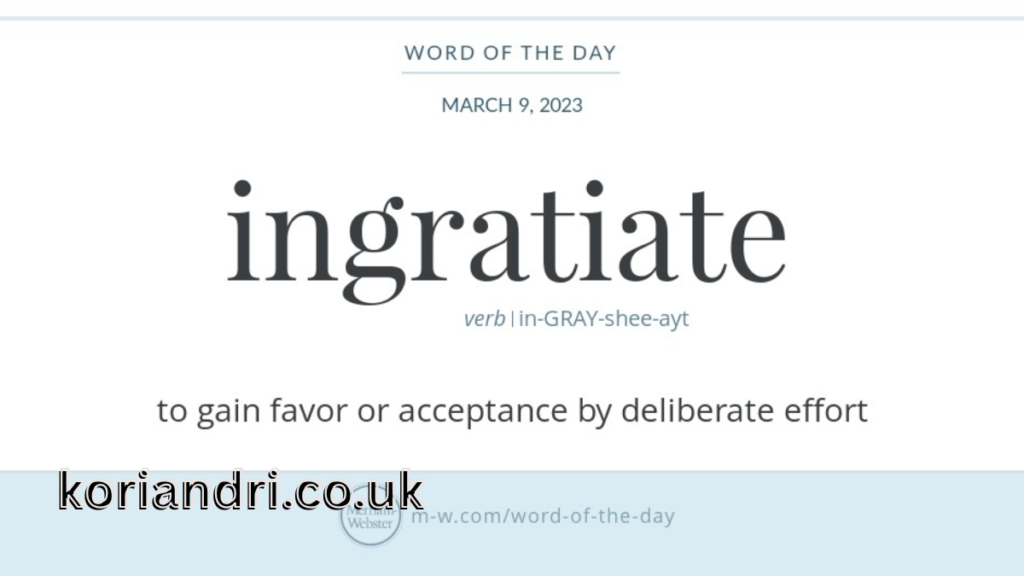

An ingratiator is someone who uses flattery, praise, or strategic behavior to gain approval, influence decisions, or build favorable relationships. The concept often appears in workplaces, social groups, and even politics. While appreciation and kindness are natural human behaviors, ingratiation goes a step further by using compliments and support as tools for personal gain. Understanding this behavior helps people recognize intentions and respond wisely in different situations.
The term has gained attention because modern social environments are competitive. People often seek advantage through networking, reputation building, and influence. In such settings, subtle flattery can play a role in shaping perceptions. However, not every compliment signals manipulation. Sometimes people genuinely admire others. The challenge lies in distinguishing authenticity from strategy.
Recognizing ingratiator behavior improves emotional intelligence and social awareness. It allows individuals to protect themselves from manipulation while also maintaining healthy communication. Awareness creates balance in relationships and prevents misuse of trust. This topic remains relevant across personal life, professional growth, and leadership dynamics.
Core Characteristics of an Ingratiator
Ingratiators typically share common behavioral traits that make their intentions noticeable over time. One major characteristic is excessive praise. They often compliment authority figures, influential colleagues, or individuals who control opportunities. Their praise may feel exaggerated or repeated in situations where recognition is not necessary.
Another trait is adaptability in communication. An ingratiator adjusts opinions, tone, and behavior depending on who they are interacting with. They may agree quickly with powerful individuals while showing different attitudes in private conversations. This flexibility can appear socially intelligent but sometimes lacks authenticity.
They also tend to observe social dynamics carefully. Instead of focusing on shared goals alone, they study who holds power and influence. Their interactions are often strategic. For example, in workplaces, they may volunteer for tasks that increase visibility rather than tasks that require deep collaboration. Their goal is to gain favor and recognition.
However, not every person who praises others is an ingratiator. Genuine appreciation includes consistency and sincerity. The difference lies in motive. If compliments disappear once personal benefits are achieved, it may indicate strategic behavior. Understanding these patterns helps people evaluate relationships more clearly and make informed judgments.
Psychology Behind Ingratiation
The psychology behind ingratiation often connects to the need for acceptance and security. Many individuals seek approval from authority figures or social groups because belonging provides emotional comfort. Praise becomes a tool to secure connection and reduce uncertainty in relationships.
Power dynamics play a significant role. When there is an imbalance of authority, individuals with less power may feel pressured to impress those in control. Flattery can become a survival strategy in competitive environments. People sometimes believe that aligning with decision-makers increases their chances of success.
Fear of rejection and insecurity also contribute to this behavior. Some individuals worry that their skills or achievements are not enough. Instead of relying on competence alone, they attempt to build influence through admiration and support toward others. This approach may create short-term advantages but does not always build long-term respect.
Psychological theories explain that humans naturally respond positively to praise. Social exchange theory suggests relationships involve perceived benefits. Ingratiators often use this principle strategically. By offering emotional rewards like compliments, they expect reciprocal advantages such as opportunities or approval. Recognizing these motivations improves awareness and strengthens critical thinking in social interactions.
Ingratiator in Different Contexts
Workplace Environment
In professional settings, ingratiation frequently appears in interactions between employees and managers. Some employees use compliments or public support to gain visibility. They may highlight a supervisor’s ideas, agree strongly during meetings, or show loyalty openly to strengthen their position.
Career advancement sometimes encourages such behavior. Individuals who believe that relationships influence promotions may invest energy in pleasing decision-makers. While networking is important, excessive flattery can reduce credibility among peers. Colleagues may view the behavior as opportunistic rather than collaborative.
The risks include damaged trust and weakened team unity. If team members feel someone receives special treatment due to favoritism rather than performance, workplace morale declines. Leaders must stay aware of these dynamics to maintain fairness. Authentic contributions typically create stronger professional reputations than strategic praise alone.
Social Relationships
In friendships and personal connections, ingratiation can create imbalance. A person who constantly agrees, praises, or supports another without genuine input may be seeking validation. Over time, relationships built on strategic approval rather than mutual respect feel unstable.
Family dynamics may also reflect similar patterns. Sometimes individuals attempt to gain favor with specific family members by showing selective appreciation. Although intention may be harmless, manipulation can create emotional distance if discovered.
Healthy relationships require honesty and transparency. Appreciation should feel natural rather than calculated. When people communicate openly instead of relying on flattery, trust grows stronger. Recognizing signs of ingratiation protects personal boundaries and promotes meaningful connections.
Politics and Leadership
In politics and leadership, ingratiation often appears as public praise or symbolic alignment with powerful groups. Leaders may compliment influential stakeholders to build alliances. Public figures sometimes use strategic admiration to gain support from specific communities.
History shows examples where flattery influenced political decisions and alliances. However, leadership based solely on approval-seeking lacks stability. Strong leaders balance diplomacy with authenticity. Genuine accountability and transparent communication create long-term credibility.
Public image management sometimes includes positive messaging about partners or supporters. The challenge lies in distinguishing between strategic communication and insincere manipulation. Awareness of these tactics improves critical evaluation of public statements and leadership behavior.
How to Identify and Respond to an Ingratiator
Identifying an ingratiator requires observation over time. One clear sign is inconsistency. If praise appears only when opportunities arise, it may indicate strategic intent. Another red flag is selective attention. They often focus more on influential individuals than on peers with equal status.
Pay attention to behavior changes after goals are achieved. If communication decreases once favor is secured, motives may not be genuine. Observing patterns rather than isolated actions provides clarity.
Responding effectively involves setting boundaries. Acknowledge compliments politely but maintain professional distance. Avoid feeling obligated to return favors immediately. Balanced responses prevent manipulation while preserving respectful interaction.
Clear communication also helps. If someone’s behavior feels excessive, address it calmly. Encouraging transparent dialogue reduces misunderstandings. Confidence and awareness are powerful tools for managing such situations without conflict.
Is Being an Ingratiator Always Negative?
Ingratiation is not automatically harmful. In some contexts, strategic social behavior supports networking and relationship building. For example, expressing appreciation for someone’s work can strengthen collaboration and teamwork.
However, ethical considerations matter. When praise becomes deceptive or intended to manipulate decisions unfairly, it crosses into negative territory. Intent determines impact. Honest admiration promotes connection, while calculated flattery undermines trust.
Balanced social adaptability can be beneficial. Professionals often adjust communication style to different audiences. The key difference is integrity. Using social skills transparently maintains respect while still achieving influence.
Understanding both sides allows people to evaluate behavior without quick judgment. Awareness encourages fairness and thoughtful interaction in complex social environments.
Conclusion
An ingratiator is someone who uses praise and strategic behavior to gain influence or approval. This behavior appears in workplaces, friendships, and leadership environments. While it can sometimes support networking, excessive reliance on flattery raises questions about authenticity and trust.
Recognizing key traits, psychological motivations, and contextual patterns helps individuals respond wisely. Setting boundaries and observing consistency protect relationships from manipulation. At the same time, genuine appreciation should not be mistaken for strategy.
Awareness builds stronger communication skills and better decision-making. By understanding ingratiation, people navigate social dynamics with confidence and clarity.
FAQs
What is an ingratiator in simple terms?
An ingratiator is someone who uses praise or flattery strategically to gain approval or advantage.
How can you tell if someone is being an ingratiator?
Look for excessive praise, inconsistent behavior, and attention directed mainly toward influential people.
Is ingratiation a form of manipulation?
It can become manipulation if used dishonestly to influence decisions or gain unfair benefits.
Can ingratiation help in career growth?
Strategic networking may help, but long-term success depends more on skills and genuine performance.
How should you deal with an ingratiator at work or in social life?
Maintain boundaries, observe behavior patterns, and respond politely without encouraging dependency on flattery.
Also Read: tarot of the divine